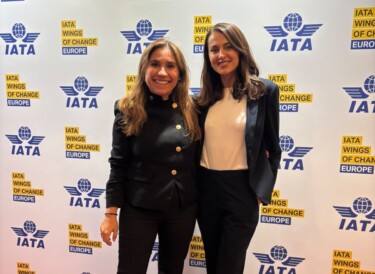
Michael Harrington, AIRE’s President and Director General, joined European aviation leaders in Paris to discuss how the sector can strengthen its resilience in an increasingly complex operating environment.
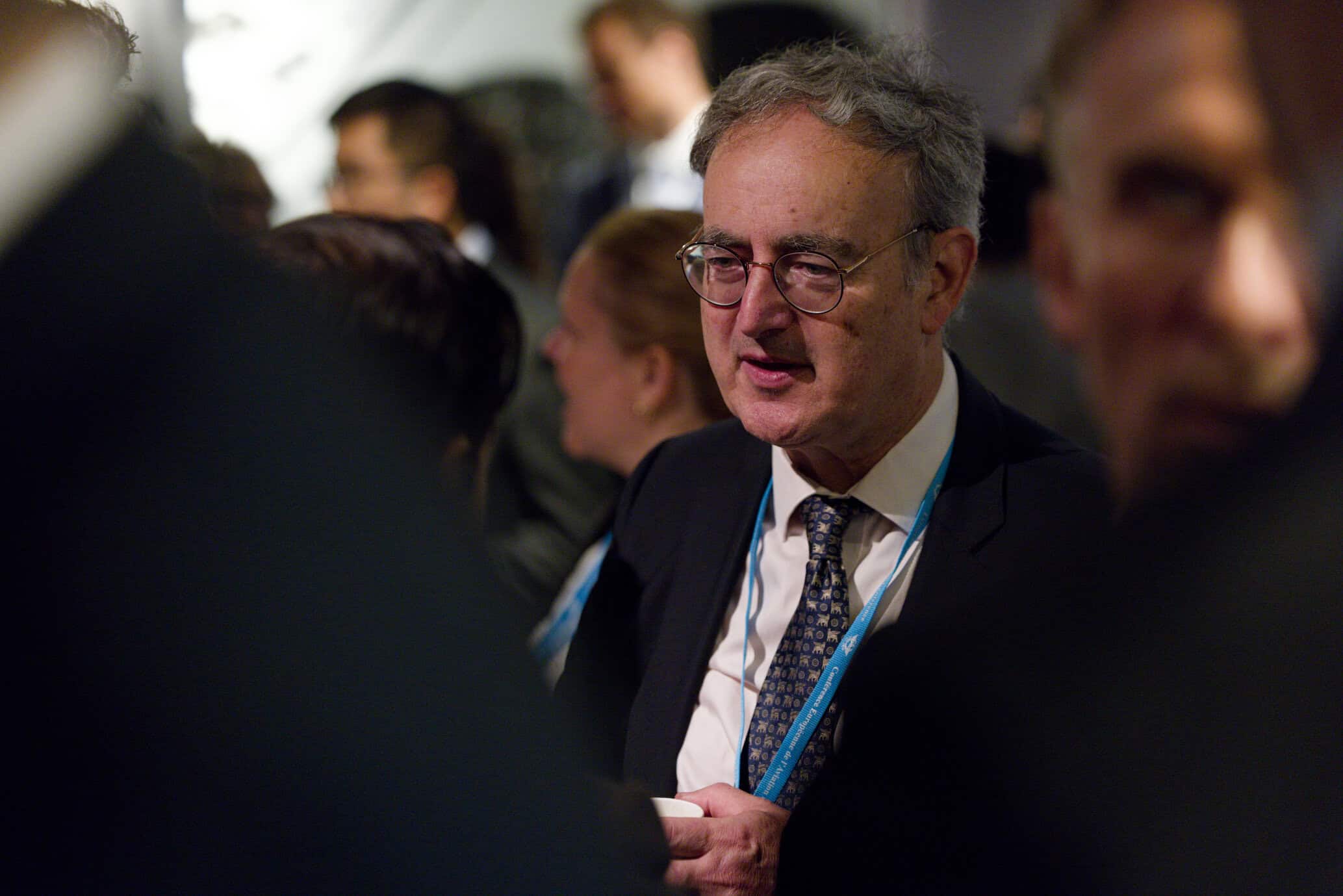
Michael Harrington, President and Director General of Airlines International Representation in Europe (AIRE), participated in the 13th European Civil Aviation Conference (ECAC)/EU Dialogue, held in Paris on 13–14 October 2026.
The event brought together European aviation leaders, regulators and industry representatives to explore how the sector can better anticipate emerging risks, respond to crises and adapt to a rapidly changing geopolitical, economic and technological environment.
Key priorities for strengthening aviation resilience
The discussions highlighted several priorities for building a more resilient European aviation sector.
- Moving from reactive crisis management to proactive risk anticipation
Strengthening resilience requires the ability to identify and assess emerging risks before they escalate. Data-driven analysis and artificial intelligence can support earlier risk detection, improve preparedness and enable more effective responses to potential disruptions.
- Enhancing cooperation between industry and regulators
Effective resilience depends on close cooperation and the timely exchange of information. Open and transparent data sharing between airlines, regulators and other aviation stakeholders can help improve situational awareness, facilitate coordinated decision-making and strengthen the sector’s ability to respond to disruptions.
3.Adopting a comprehensive approach to resilience
Aviation resilience extends beyond immediate operational challenges. Geopolitical tensions, the energy transition, access to finance and technological transformation all influence the sector’s ability to adapt and remain competitive. Addressing these interconnected challenges is essential to safeguarding Europe’s connectivity and the long-term strength of its aviation industry.
Resilience as a continuous process
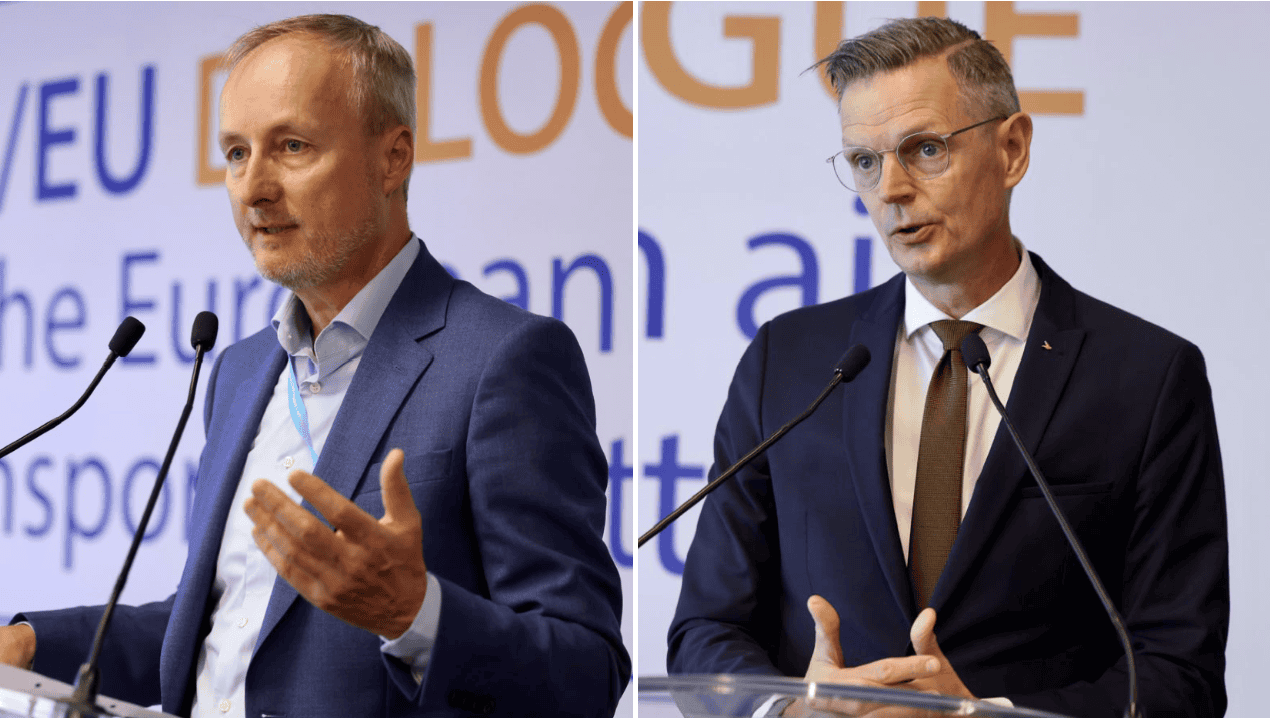
The importance of a forward-looking approach was reinforced by Henri van Faassen, ECAC Vice-President, who stated that “organisations that effectively apply resilience capitalise change, build trust and create competitive strength.”
Filip Cornelis, Director for Aviation at the European Commission’s Directorate-General for Mobility and Transport (DG MOVE), similarly emphasised that “Resilience is not just a destination – it is a continuous process of learning and adaptation.”
Both perspectives underline the importance of treating resilience as an ongoing process that requires continuous learning, collaboration and adaptation.
AIRE’s perspective
For AIRE, strengthening European aviation resilience requires a proactive and collaborative approach that enables airlines to anticipate challenges, adapt to changing circumstances and maintain reliable connectivity.
As Europe navigates geopolitical uncertainty, the energy transition and technological change, a supportive policy and regulatory environment will be essential to ensuring that resilience goes hand in hand with competitiveness and the continued delivery of connectivity across Europe.