Shaping the future of European aviation: Key takeaways from IATA’s WoC and WSS
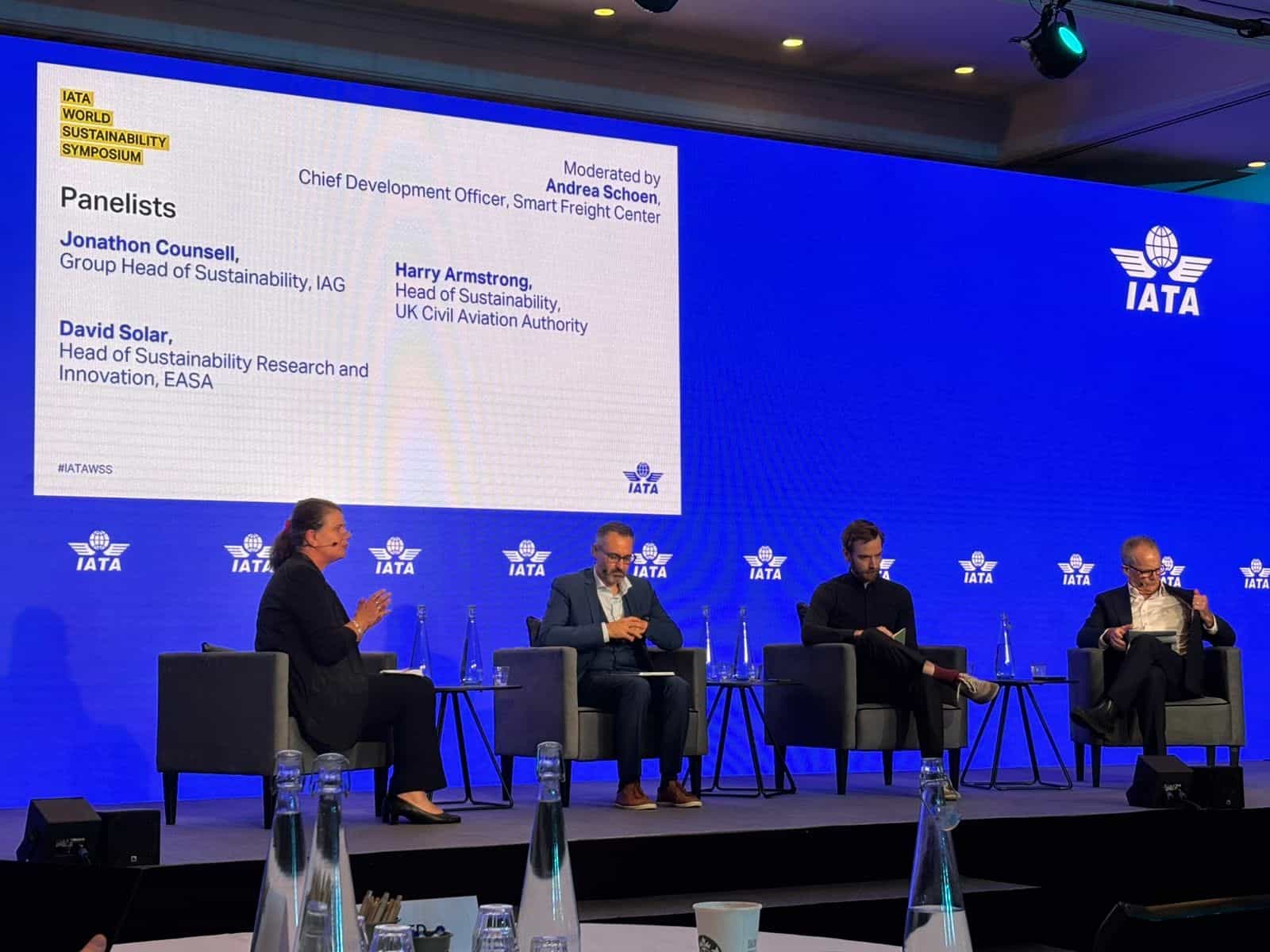
AIRE participated in the IATA World Sustainability Symposium and IATA Wings of Change 2026 in Brussels, engaging in discussions on the policy, economic and operational priorities shaping the future of European aviation.
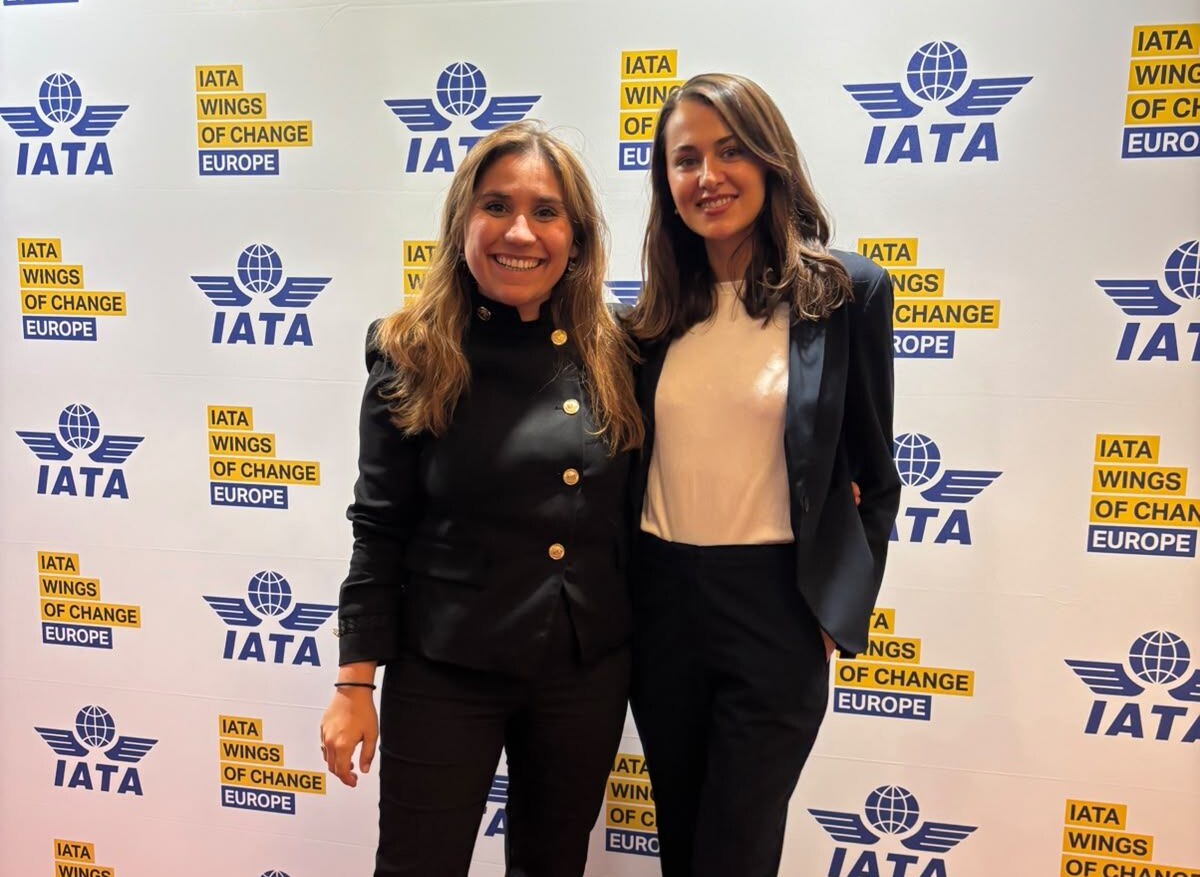
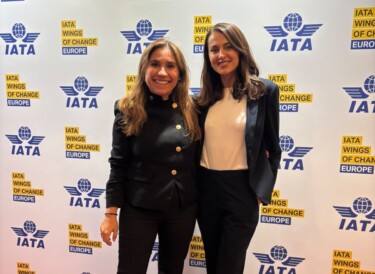
Elena Jaraíz and Nadine Braun Amaral represented Airlines International Representation in Europe (AIRE) at the International Air Transport Association (IATA) World Sustainability Symposium and IATA Wings of Change 2026, held in Brussels.
Bringing together policymakers and industry leaders, the events provided an opportunity to exchange views on the challenges and opportunities facing European aviation, from decarbonisation and global competitiveness to operational efficiency and the future direction of EU aviation policy.
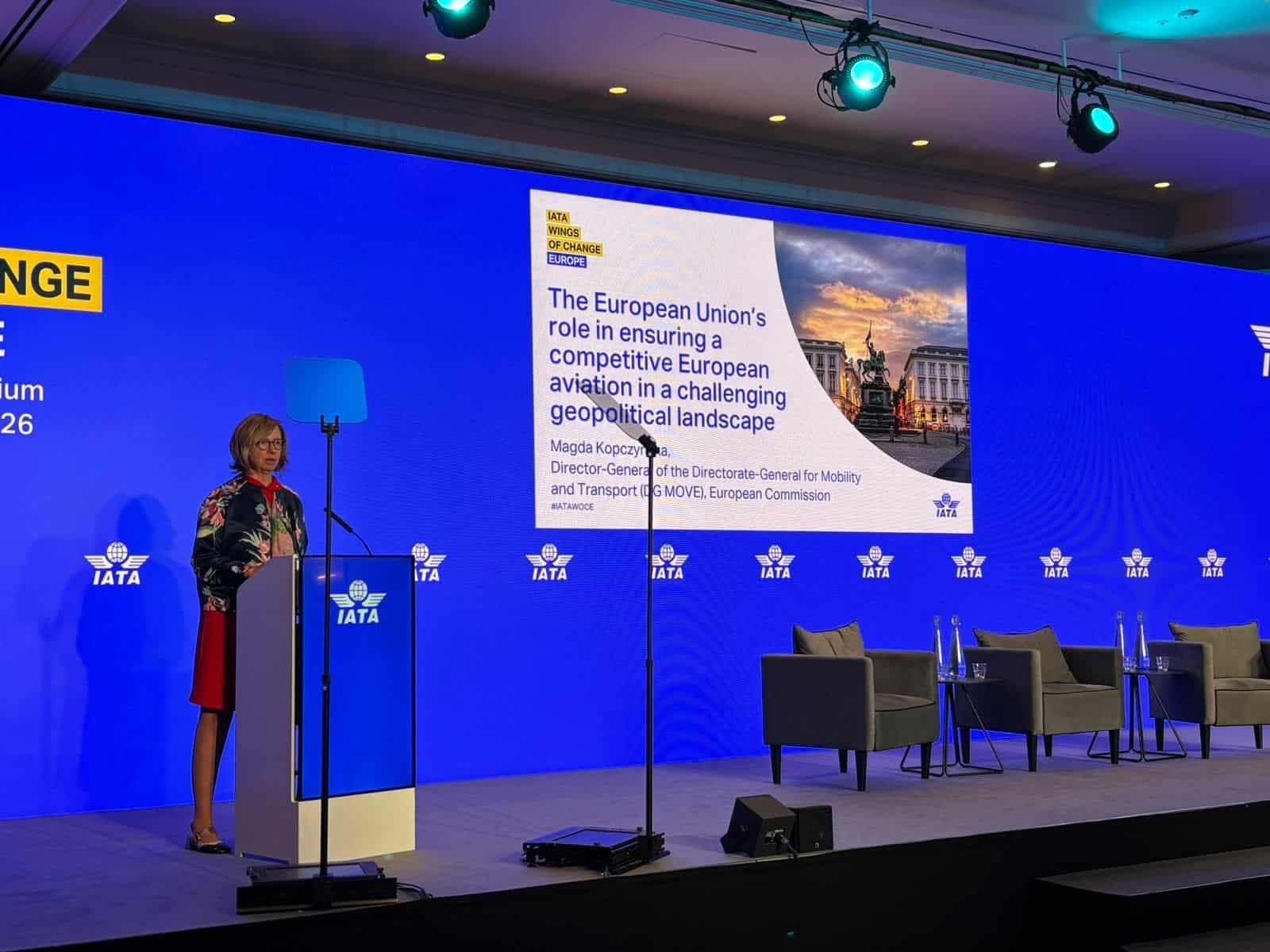
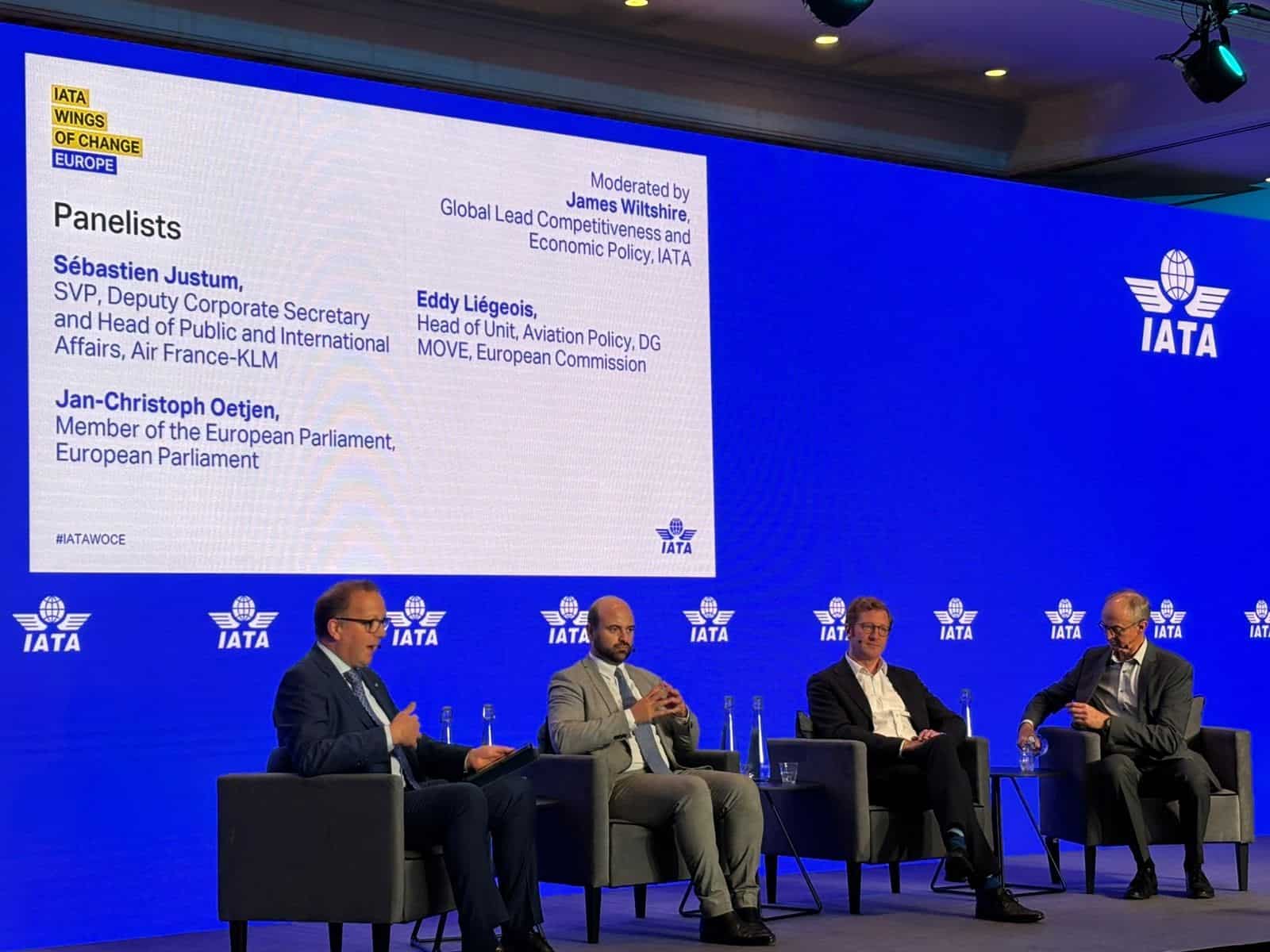
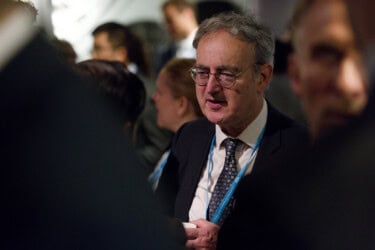
Discussions featuring speakers including Filip Cornelis, Eddy Liégeois, Toshiyuki Onuma and Magda Kopczyńska offered valuable insights into the regulatory and strategic developments shaping the sector, particularly in the context of the European Commission’s forthcoming EU Aviation Strategy.
Key priorities for European aviation
Several priorities emerged from these discussions as essential to ensuring that European aviation remains competitive, resilient and sustainable.
- Strengthening global competitiveness and connectivity
European airlines operate in an increasingly competitive international market. Safeguarding a level playing field, maintaining strong connectivity and reducing strategic dependencies will be important to preserving Europe’s position in global aviation. The EU’s policy framework should support a competitive and resilient aviation sector while recognising its contribution to Europe’s economic development.
- Making aviation decarbonisation achievable
Delivering on aviation’s climate objectives requires an enabling framework that supports investment and technological progress. Increasing the availability of Sustainable Aviation Fuels (SAF), reducing production costs and establishing effective support mechanisms will be critical to accelerating decarbonisation while maintaining the sector’s competitiveness.
- Tackling structural inefficiencies and capacity constraints
Fragmented air traffic management, capacity limitations and persistent delays continue to affect operational performance across Europe. Modernising aviation infrastructure, accelerating technological deployment and improving coordination across the European aviation network are essential to making the system more efficient and resilient.
- Translating policy ambitions into practical results
Achieving Europe’s aviation objectives will require regulatory predictability, sustained infrastructure investment and international cooperation. Policy initiatives must be accompanied by practical measures that address the operational and economic realities faced by airlines, ensuring that ambitious objectives can be implemented effectively.
AIRE’s perspective
For AIRE, these discussions are an important opportunity to engage with policymakers and industry stakeholders on the conditions needed for airlines to operate efficiently, compete internationally and contribute to the sector’s sustainability objectives.
As the European Commission prepares its EU Aviation Strategy, AIRE will continue to advocate for a proportionate, predictable and forward-looking regulatory framework that strengthens European aviation’s competitiveness, connectivity and resilience while supporting its transition towards a more sustainable future.